Upgrade From Windows 7: A Guide To Modern Windows & Office Licensing.
Windows 7 is no longer being supported. This was not just the end for an operating-system as well as the end for an entire period of time when it came to licensing of software. For individuals and businesses clinging to `windows 7`, the upgrade path to Windows 11 is not a simple re-installation–it’s a migration to a fundamentally different digital paradigm. The shift is encompassing everything from how you purchase the windows 11 lizenz to how you secure your system and collaborate with Office. The old world of one-time purchases, physical media, and software suites that were isolated has been replaced with cloud-integrated subscriptions, digital licenses and security across the ecosystem. This change can be best managed by knowing the key places where old-fashioned practices are in line with modern requirements. As an example, the decisions made regarding your OS can directly impact the productivity suites you use, your security posture and the future capacity.
1. The Hardware Gauntlet: Your First and most important step.
Before you even consider `windows 11 kaufen`, you have to meet the Windows 11 hardware requirements (TPM 2.0, Secure Boot Modern CPU). Windows 7-based computers, especially older than 2017 will not pass this check. It’s not an attempt to make Microsoft money-grab, but an obligation for security. These are the “hardware roots of trust” on which modern security solutions like Windows Defender, and even third-party security suites like Kaspersky Premium depend. Bypassing the ISO requirements by using the unofficial ISO modification results in a system that’s unstable, unsupportable, and will nullify the core security features of the upgrade. It leaves users more vulnerable to attack on Windows 7 than it was before.
2. License Migration Myths: Your Windows 7 Key Is (Mostly) Inactive
Windows 10 could be activated by using a Windows 7 Pro product key. Windows 11 has effectively ended the grace period. Windows 7 OEM or OEM-licensed hardware, particularly if your motherboard is old and cannot be upgraded to Windows 11 if the hardware does not meet the specifications. You’re starting from scratch. Therefore you’ll need to look for windows lizenz kaufen is a new purchase exercise that forces you begin from scratch.
3. The Office Licensing Revolution: From Standalone to Ecosystem
If you have Office 2010 and 2013 installed on Windows 7, then you’re used to having a permanent office licence. Office 2021 (the modern equivalent) is dead from the beginning. It gets security updates and updates, but it does not have any new features. Microsoft 365, the subscription-based upgrade to productivity, is now the path of choice. This is a major change. There is no need to upgrade Office. Instead you sign up for cloud ID (Azure authentication), get 1TB of OneDrive Storage, and you can enable real-time collaboration capabilities. Your old habit of `office licensing every 10 years should be reevaluated in favor of an ongoing operating expense that includes continuous upgrades and services.
4. Security shouldn’t be a secondary concern. The entire paradigm must be replaced.
Windows 7 likely had a strategy that used an anti-virus program from a third party, such as an older Norton 360. Windows 11 completely changes the environment. Windows Security, which comes with Windows 11 is now a cloud-based solution of the highest quality. It is not enough to install your third-party software. This could lead to problems with performance and conflicts. The upgrade moment is the perfect opportunity to evaluate. Do you think Defender with its latest hardware security features offer enough protection? Or is it necessary to buy a separate suite such as kaspersky? The answer is dependent on your threat profile, however, you do not need to buy separate anti-virus software.
5. The Clean Install Imperative and Data Migration Strategy
Upgrades from Windows 7 to Windows 11 are not supported. Instabilities can result. This should not be a restart. This will force a controlled data migration. It’s the best time to end the backup process to local drives and adopt an approach to cloud storage. A Microsoft 365 subscription includes OneDrive and the ability to configure Known Folder Move (to back up Desktop, Documents, Pictures) during setup transforms your data migration from being a manual task into a seamless, ongoing cloud-synched process. The data you store is moved from being restricted to a PC and is now users-centric.
6. The Professional Feature Crossroads – Pro is Now the Minimum.
Windows 11 Pro is required if have used Windows 7 Professional as a domain joiner, BitLocker host, or Remote Desktop host. This is a mistake that you should avoid for any professional or commercial use. Home isn’t able to join domains and doesn’t have BitLocker encryption. Also, it does not have an Editor for Group Policy. Windows 11 Pro with a Microsoft 365 Business Subscription or Retail License is the ideal alternative for anyone looking to upgrade from Windows 7 Pro.
7. Beware the Grey Market Siren Call During Transition.
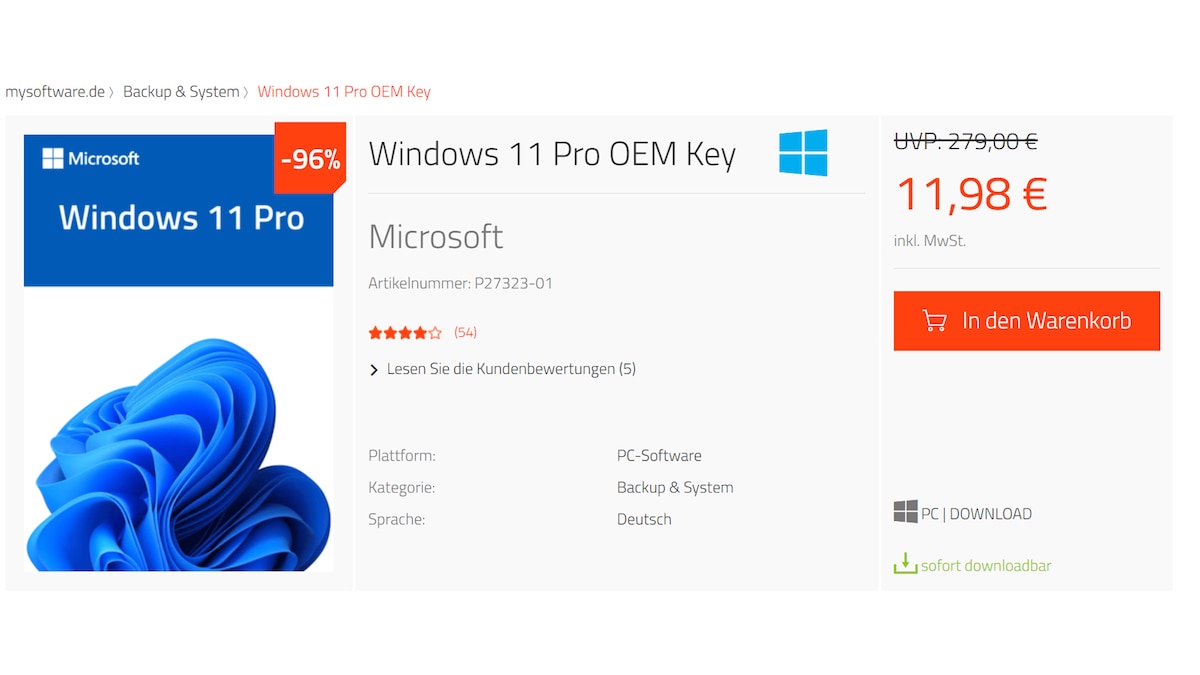
The rush to upgrade and sticker shock caused by the new licenses is forcing many to seek out a bargain Windows11 OEM keys from the grey market. This is a major error when undergoing a transition. The keys aren’t working and you are left with a fake system when you are beginning to construct your new system. A retail license or subscription that includes Windows (like Microsoft 365 Business) gives you assurance and direct support as and a possible upgrade option. The price of a gray-market important factor is the loss of all data and time when it is eventually deleted.
8. Future-proofing using the Cloud Future-proofing with the Cloud: The Server Connection.
Windows 7 machines that were part of domain networks will likely be replaced by a server like Windows 2025. Modern integration here requires not only Windows 11 Pro, but also an understanding of `cals(Client Access Licenses). (Client Access Licenses). The cloud alternative is Azure Active Directory, which comes with Microsoft 365 Business plans. It’s important to consider your options when you upgrade to Windows 7. Do you invest in on premise licenses and servers, or do you move to cloud identity and device (Intune) that is available via a subscription. Both choices differ in the terms of cost and licensing.
9. Driver Archaeology: The Need to have a Modern Hardware Base
Windows 7 thrived with a large library of legacy drivers. Windows 11 relies on modern cloud-based drivers, which are often available through Windows Update. Windows 7 is often the only machine that is compatible with special hardware. Upgrade assessments should include testing for compatibility with hardware. This will reveal that a real upgrade is needed, and a new PC pre-installed with the windows11 oem licence is the ideal choice.
10. A Shift in Philosophies from Ownership to Access and Manage.
The final decision to upgrade to Windows 10 represents a philosophy shift. The static model of software ownership (windows7 DVD and Microsoft Office 2010 box) is being replaced by the subscription-based model or a digital license that is characterized by very strict transfer limitations. Security models change from an antivirus add-on to one that incorporates hardware security. Data is transferred from local storage to cloud. By using an Microsoft 365 plan and a Windows 11 Pro license, along with modern security measures ensures that you’re not upgrading to a new OS. You’ll also be able to build a computing foundation that is durable, modern and scalable for the coming decade. Read the most popular windows 11 lizenz for blog examples including office 2016 software, microsoft office key, microsoft 365 key, ms visio, windows server 2019, office 2016 software, windows server 2019, microsoft office 2016, microsoft visio software, microsoft visio and more.
Knowing Windows Server 2025 Client Licenses For Business
A business that is growing can take an enormous leap by deploying Windows Server 2025. The server will shift from a distributed system to one that is centrally controlled. The majority of the time, this is a costly mistake, as it doesn’t involve the server as such but the Client Access Licenses. This isn’t an option, it’s an integral part of the Microsoft ecosystem. Inadequately licensing client access can derail an IT project, lead to serious compliance penalties in an audit, and result in the chain of dependencies which affect everything from your desktop operating system options to your security and productivity software. This guide will help you understand the ten interconnected concepts every company should know when planning Windows Server 2025. It shows how server licensing determines the legality of your desktop’s structure and.
1. The Server License: It is only the entry fee.
If you purchase a licence for windows Server 2025, you will have the right to download the server application and use it on a physical or virtual machine. This license does not give users or devices the right of connection. The right to connect must be purchased separately through CALs. Think of it like attending a concert. Buying the server license is renting the stage and venue. It is necessary to have a CAL ticket for each person (User Cal) or device(Device CAL), whether they are listening to the performance or sitting in the back.
2. Cals and Desktop OS Licensing: A Pair that is Inseparable.
You are not allowed to legally utilize a Client Access License (CAL) to grant access for a client using an illegal operating systems. If you are activating your workstations using grey market “windows oem” keys that you purchase from an online discount site, purchasing CALs is an unwise and incongruous action. Microsoft’s licensing rules require the operating system used by the client is licensed correctly. An audit will first invalidate the desktop licenses, making the CALs–and potentially the server access itself–non-compliant. From desktop to the server, the entire stack needs to be clean.
3. Modelling your workforce decision between the device CAL and the user CAL.
The decision has financial implications. A User CAL licenses only one named user access to the server on any number of devices (e.g. desktop, laptop or tablet). A Device CAL permits a specific device (e.g. an office shared workstation located on the floor of a factory) to be used by any number of users. The best option for your company depends on how you use the device. User CALs become more efficient when a mobile workforce uses multiple devices. Device CALs will cost less in situations where shift workers use a limited amount of dedicated terminals. You must simulate the use. Combining different types is possible however it can make management more difficult.
4. Windows 11 Home is Technically and Legally incompatible.
Windows 11 Home users cannot join a traditional Active Directory, which is the basis of Windows Server. It would be a licensing violation even if there were an alternative solution. Thus, any device that requires authentication against or utilize services (like file shares, print queues, etc.) Windows 11 Pro Enterprise or Education editions must operate a “windows 2025” server. If future server deployments could be possible, buying an “windows 11 Home Key” for a machine that is a business one is not a wise investment.
5. The Security Management Nexus.
Group Policy is a powerful tool to centralize security policy deployment in an Windows Server environment. This will help cut down on the cost and requirements for configuration of standalone security software. For example, instead of manually setting up kaspersky premium or `norton 360` on each of 50 machines, policies can push identical settings to the server. Servers become the backbone of management, making endpoint security investments more effective. The CAL license allows the managed connection.
6. Office License Synergy In A Server Environment
If you’re running “Windows server 2025” for printing and file services, your users may have access to files shared. The option of using office licensing (perpetual Office 2021) vs. the Microsoft 365 subscription is impacted. Microsoft 365 Business Premium/Enterprise comes with Azure AD (which can sync to your Active Directory) and Intune Device Management. This creates a hybrid identification model, simplifying access to secure cloud (Microsoft 365 applications) as well as on-premise (Server 2025 files) resources. The subscription usually allows for a seamless integration process as opposed to perpetual standalone licenses.
7. Alternative License for Public Access – “External Connector”.
Cals are designed for internal devices and users. They are not able to grant outside users access to your server (e.g. users who sign up to a website-based portal from your server, or FTP users who are not anonymous). Windows Server External Connectors (EC) are required. The license is linked to the server and allows the anonymous access of other users. Understanding this difference prevents massive compliance violations when deploying publicly-facing services.
8. Cals can be specific to versions however, they’re also compatible with new versions.
You can purchase CALs that correspond to a specific server release (e.g. Windows Server 2010 CALs). These CALs are legal to access servers running that version or any version prior to it. Therefore, 2025 CALs permit access to 2025, 2022 or 2019 server. They are not compatible with later versions. If you decide to upgrade to Windows Server 2029, you’ll require a new CAL. It must be included in the long-term IT planning.
9. Virtualization and Cals Virtualization and CALs “Every Access Rule”
Virtualized environments require CALs but they’re based on access, not the VM itself. If you have fifty users who will be using a filesharing service on Windows 2025, a virtualized instance that will require 50 user Cals. (Or you may require sufficient Device CALs to ensure that they can access the device). The amount you have running of server VMs won’t increase your CAL requirements directly; instead, it increases the number of users or devices who will access the virtual machines. This prevents over-purchasing for complex virtual configurations.
10. The actual cost of ownership: TCO is more than just the sticker price.
Windows Server 2025 business case must contain a complete licensing stack. This includes server licenses and the CALs required per device/user, and an upgrade of client PCs in the event that it is necessary to upgrade to Windows 11 Pro. The upfront capital investment (CapEx) of licenses and the operating costs of managing the physical servers should be compared with a Cloud-based alternative. In most cases, for small to mid-sized enterprises using subscription-based cloud-based services is more affordable than the combined cost of server hardware, `windows server 2025` licensing, cals and the obligatory Windows 11 Pro upgrades for the entire fleet. The choice isn’t solely technical, but also the financial and architectural aspects are also important. Take a look at the recommended cals for blog examples including office 2016 software, ms visio software, micro soft outlook, office 365 office key, windows server os, microsoft project, office 2019 professional plus, visio download, office 2019 professional plus, microsoft ms office 2016 and more.